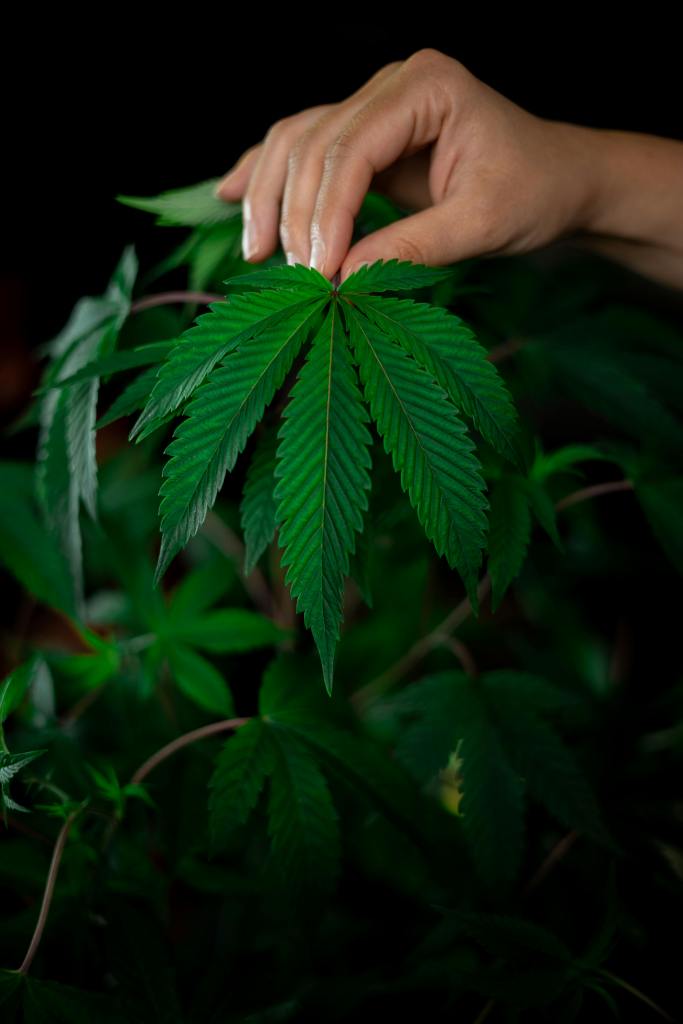
Decarboxylation is a crucial process in the consumption of cannabis. It’s the chemical reaction that transforms the non-psychoactive compound THCA (tetrahydrocannabinol acid) into the psychoactive compound THC (tetrahydrocannabinol), which is responsible for the “high” associated with cannabis.
Why Does Decarboxylation Matter?
- Potency: Decarboxylation is essential for activating the full potential of your cannabis. Without it, THC remains in its inactive form, THCA.
- Taste and Aroma: Decarboxylation can also influence the taste and aroma of your cannabis.
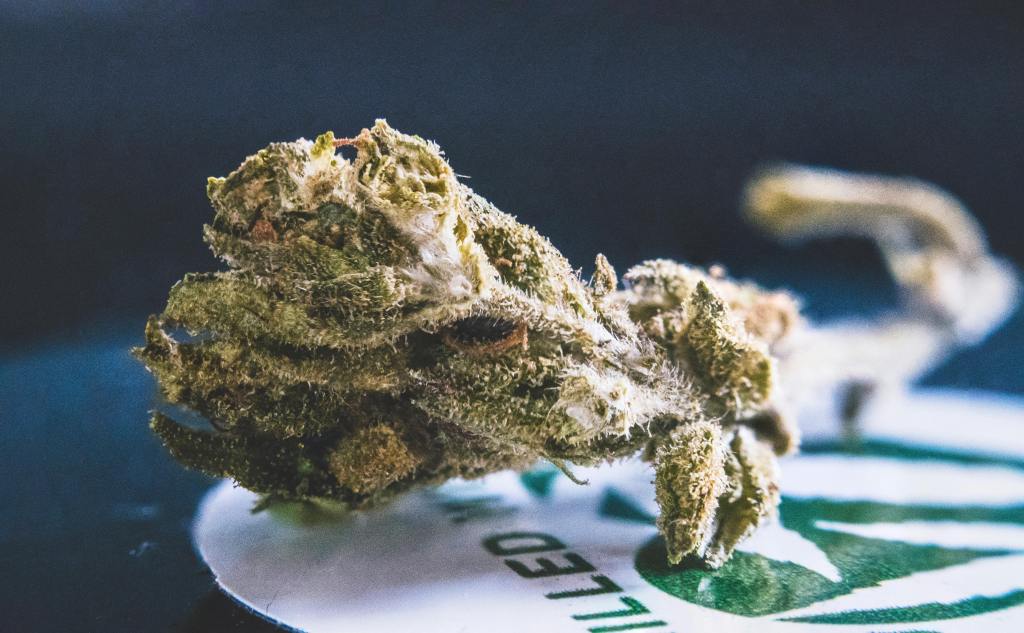
How Does Decarboxylation Work?
Decarboxylation occurs when THCA is exposed to heat. This heat causes the loss of a carboxyl group (COOH) from the THCA molecule, transforming it into THC.
Decarboxylation Methods
- Heating:
- Oven: Preheat your oven to 240°F (115°C). Place your cannabis in a baking dish and bake for 30-45 minutes.
- Stovetop: Place your cannabis in a small, heat-resistant container and heat it on low heat for 30-45 minutes.
- Torch: Use a lighter or torch to heat the cannabis directly. This method is quick but requires caution to avoid burning the cannabis.
- Infusion:
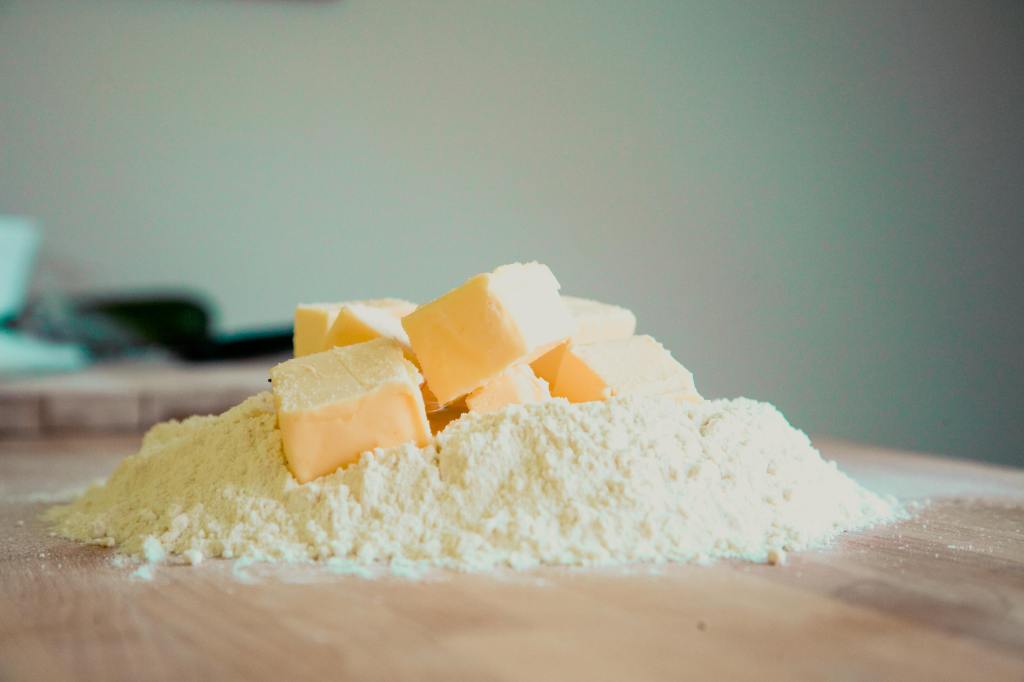
- Cooking: Infuse your cannabis into oils, butter, or tinctures by heating them together. This method combines decarboxylation with the creation of edibles or topicals.
Tips for Decarboxylation
- Grind Fine: Grinding your cannabis into a fine powder will ensure even heating and faster decarboxylation.
- Monitor Temperature: Avoid overheating the cannabis, as this can degrade the THC and other cannabinoids.
- Label and Store: Label your decarboxylated cannabis and store it in an airtight container in a cool, dark place.
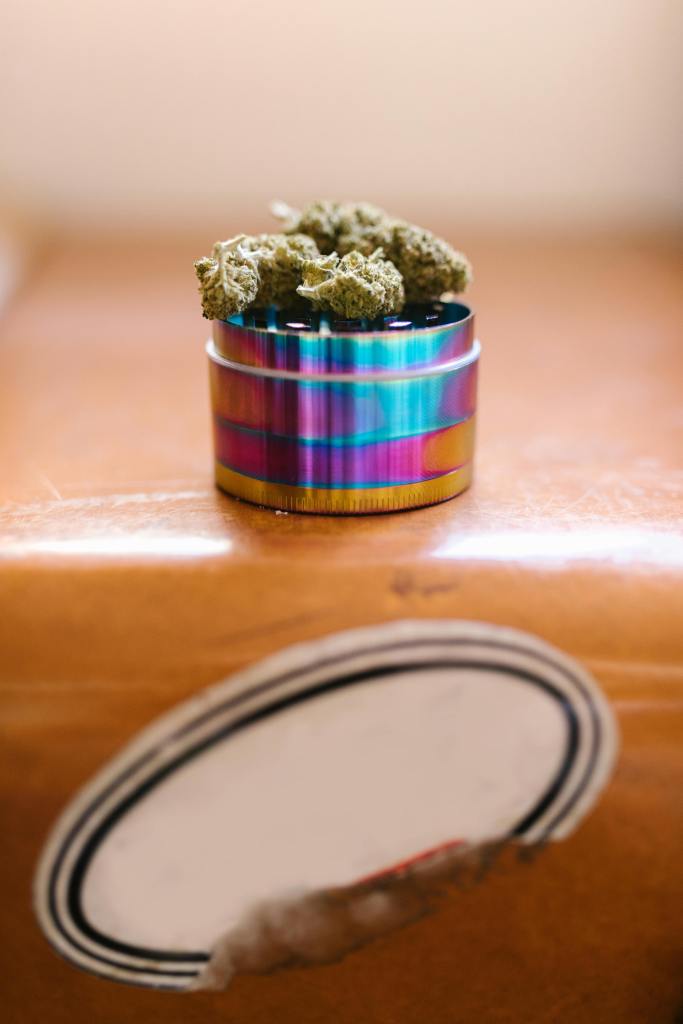
By understanding the science behind decarboxylation and following these simple methods, you can ensure that your cannabis is fully activated and ready to enjoy.
 Weed Queens
Leave a comment