
Cannabis has a rich history of use in various cultures around the world, not only for its psychoactive effects but also for its culinary applications. In recent years, there’s been a resurgence of interest in incorporating cannabis into food and drinks, driven by its potential health benefits and the creative possibilities it offers. This article delves into the benefits of using cannabis in the kitchen, explores its historical context, and provides insights into how you can incorporate this versatile herb into your culinary creations.
A Brief History of Cannabis in Culinary Traditions
Cannabis has been utilized in food and medicine for thousands of years. Its use in cooking dates back to ancient civilizations, where it was often used for its therapeutic properties.
- Ancient India: Cannabis was used in traditional Indian cuisine and medicine, particularly in the form of bhang, a preparation made from the leaves and flowers of the cannabis plant mixed with milk, spices, and sugar. Bhang has been consumed during religious festivals and is known for its psychoactive effects.
- Ancient China: Historical records suggest that cannabis seeds were used in ancient Chinese cuisine. Emperor Shen Nong, often considered the father of Chinese medicine, is said to have included cannabis in his pharmacopoeia.
- Middle Eastern Cultures: Cannabis has also played a role in Middle Eastern cooking and medicine. In Persia (modern-day Iran), cannabis seeds were used in various recipes, and the plant was valued for its medicinal properties.
- Early Modern Era: In the 19th century, cannabis was introduced to Western medicine and cuisine. The use of cannabis extracts was documented in medicinal recipes, and its potential as an ingredient began to gain attention.
The Benefits of Using Cannabis in Food and Drinks
Incorporating cannabis into food and drinks offers a range of benefits, from its potential therapeutic properties to its ability to enhance flavors and create unique culinary experiences.
1. Therapeutic Benefits
Cannabis contains cannabinoids such as THC (tetrahydrocannabinol) and CBD (cannabidiol), which have been studied for their potential therapeutic effects. When consumed in food or drinks, these compounds can offer several benefits:
- Pain Relief: Cannabis can provide relief from chronic pain, making it a valuable addition for those managing pain conditions.
- Stress and Anxiety Reduction: CBD, in particular, is known for its calming effects, which can help reduce stress and anxiety.
- Digestive Health: Some studies suggest that cannabinoids may aid in digestion and alleviate symptoms of gastrointestinal disorders.
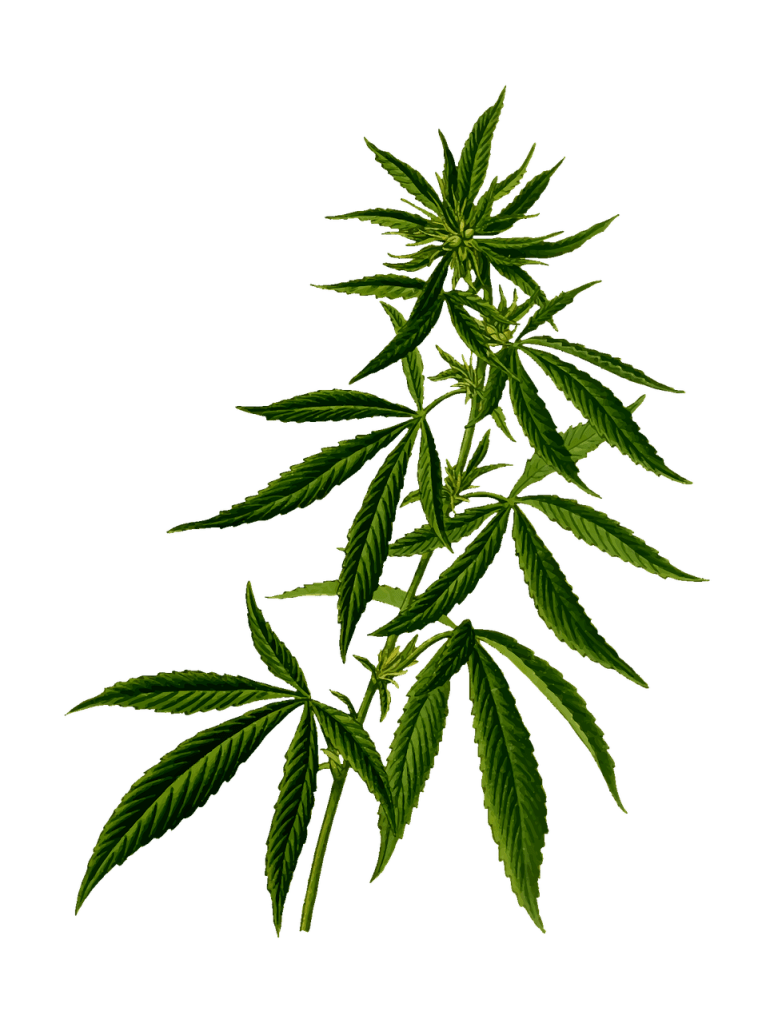
2. Flavor Enhancement
Cannabis can add unique flavors and aromas to dishes, complementing a wide range of culinary styles:
- Herbal and Earthy Notes: The terpenes in cannabis, which are compounds responsible for its aroma, can enhance the flavor profile of foods and beverages.
- Pairing with Ingredients: Cannabis can be paired with various ingredients to create harmonious flavor combinations. For example, cannabis-infused olive oil can add depth to salads and roasted vegetables.
3. Creative Culinary Applications
The versatility of cannabis allows for a wide range of culinary applications, from sweet to savory:
- Infused Oils and Butters: Cannabis can be infused into oils and butters, which can then be used in a variety of recipes, such as baked goods, sauces, and dressings.
- Beverages: Cannabis can be incorporated into beverages, including teas, cocktails, and non-alcoholic drinks. Infused syrups and tinctures offer a convenient way to add cannabis to drinks.
How to Incorporate Cannabis into Your Cooking
If you’re interested in experimenting with cannabis in the kitchen, here are some tips and guidelines to get started:
1. Decarboxylation
Before using cannabis in cooking, it must be decarboxylated—a process that activates the cannabinoids. To decarboxylate cannabis, bake it in the oven at a low temperature (around 220°F or 105°C) for 30-40 minutes. This process converts THCA into THC and CBDA into CBD, making them bioavailable.
2. Infusion Methods
- Cannabis Oil: Combine decarboxylated cannabis with a carrier oil (such as olive oil or coconut oil) and heat gently to extract the cannabinoids. Strain the mixture to remove plant material.
- Cannabis Butter: Similar to oil, cannabis butter is made by infusing decarboxylated cannabis with butter. It can be used in baking or cooking.
- Infused Beverages: Cannabis can be added to beverages using tinctures or by infusing syrups. Ensure the infusion is well-mixed for even distribution.

3. Dosage and Potency
When incorporating cannabis into recipes, it’s important to consider dosage and potency. Start with small amounts and adjust according to your preferences and tolerance. Keep in mind that the effects of edibles can take longer to set in compared to other methods of consumption.
4. Safety and Legal Considerations
Ensure you are aware of local laws and regulations regarding cannabis use and consumption. In regions where cannabis is legal, follow guidelines for safe and responsible use. Always label cannabis-infused products clearly and keep them out of reach of children and pets.
Conclusion: Embracing Cannabis in Culinary Arts
Cannabis has a rich history and a growing presence in modern culinary arts. Whether you’re interested in its therapeutic benefits, its ability to enhance flavors, or simply exploring new culinary frontiers, incorporating cannabis into your cooking can be a rewarding experience. With careful preparation, thoughtful dosage, and a dash of creativity, cannabis can transform your kitchen and elevate your culinary creations.
As the cannabis industry continues to evolve, so too will its role in the culinary world. Embrace the opportunities to experiment with this versatile herb and enjoy the unique flavors and benefits it brings to your table. Happy cooking!

 Weed Queens
Leave a comment